DSHEA Shapes What Supplement Buyers Ask Before Sourcing
DSHEA Shapes What Supplement Buyers Ask Before Sourcing
- Use October 15, 1994, as the U.S. pre-DSHEA marketing cutoff when assessing a potential new dietary ingredient.
- Where a new dietary ingredient notification is required, plan for at least 75 days before interstate introduction.
- Assign the person responsible for applicable serious adverse event reports and the 15-business-day submission window.
Ask for evidence about the exact ingredient being quoted
Get the named ingredient, form, intended use, source, and documentation for the material on the specification. For a botanical, ask which plant part and extraction process the supplier uses. A change in material can reopen the regulatory and manufacturing assessment, even when the commercial ingredient name looks familiar.
Put the key dates on the launch plan
These U.S. checkpoints apply to different activities. Confirm with your regulatory lead which filing or reporting duties apply to the project.
| Checkpoint | Timing | Evidence to keep |
|---|---|---|
| Historical marketing | Before October 15, 1994 | Material-specific marketing records |
| Applicable NDI notification | At least 75 days before introduction | Notice and submission record |
| Applicable serious event report | Within 15 business days | Receipt date and file |
Check that the lot and specification agree
Take one representative lot through procurement review. Match its COA to the exact ingredient form and specification revision, then ask how the supplier would report a change in source, process or composition.
Confirm who reviews the U.S. label and who handles advertising. For postmarket readiness, document the handoff from customer intake to QA, the responsible person, and how the team will identify the affected lot and units.
FDA background for industry on new dietary ingredients · FDA guidance on dietary supplement adverse event reporting
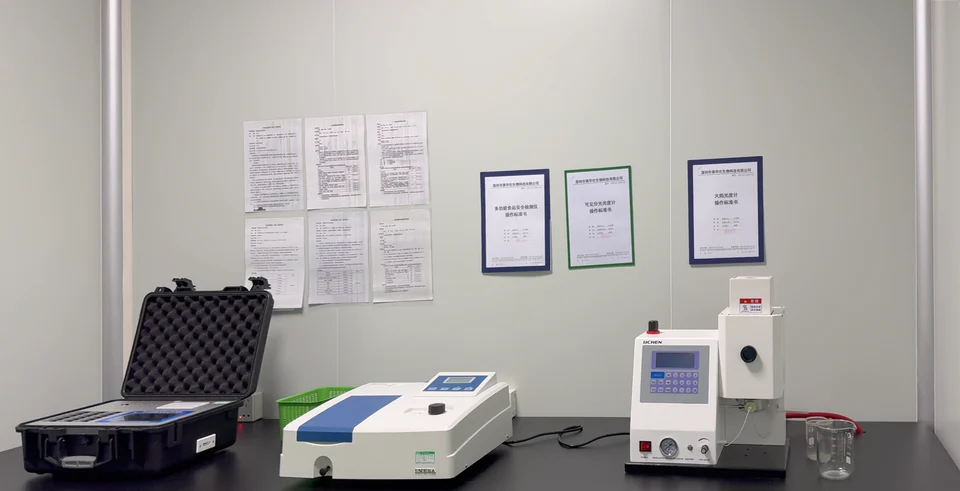
Lifeworth quality-control station. During supplier qualification, match the lot COA to the named ingredient form and the current specification revision.
Make the supplier quote answer four sourcing questions
Request the complete material description and lot COA.
Ask for the basis for the NDI decision and review open questions.
Name who approves label wording and advertising for the destination market.
Trace one finished unit and test how a serious report reaches the responsible person.
Send your ingredient list, intended U.S. use, and draft label so the manufacturing brief can specify documents and open decisions. For eligible projects with approved specifications and available materials, Lifeworth can target 3 days for samples, 25 days for a first order, and 15 days for a repeat order. Confirm dates against the agreed scope.
Frequently asked questions
Does every U.S. supplement need premarket FDA approval?
Dietary supplements generally follow a manufacturer and distributor responsibility framework. Specific duties can still apply, including applicable NDI notices and required labeling.
Does a supplier statement establish pre-1994 marketing?
Ask for documentation that connects the historical evidence to the exact ingredient and conditions under review.
Can we reuse the same brief for the EU?
Keep the approved manufacturing specification and conduct a separate market assessment for the EU.
Which documents should procurement collect first?
Request the ingredient specification, a representative lot COA, change-control terms, and documentation supporting the intended ingredient pathway.